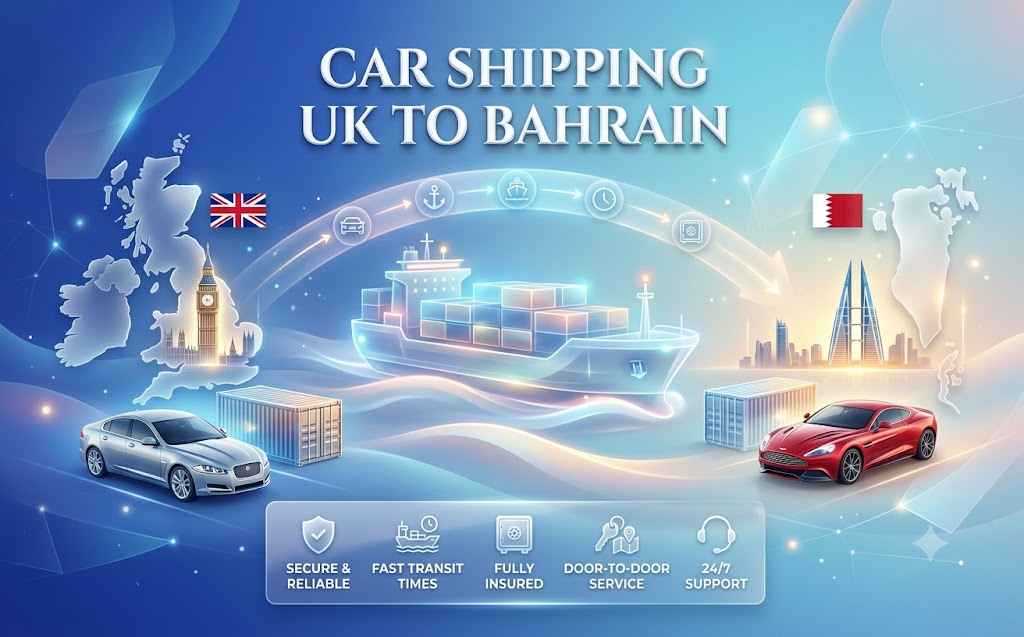
Streamlining Automotive Logistics: A Guide to Car Shipping UK to Bahrain
The global automotive trade requires robust logistics frameworks to move vehicles safely across oceans. For individuals relocating to the Middle East or commercial exporters managing vehicle fleets, the maritime route from the United Kingdom to the Arabian Gulf is a critical corridor. Navigating this journey successfully demands an understanding of specialized shipping methods, port operations, and international customs protocols.
Among the various methodologies available, Roll-on/Roll-off (RORO) transit has emerged as the industry standard for transporting wheeled cargo efficiently. This guide explores the essential components of international vehicle logistics, optimizing the transit process, and managing port-side operations.
The Mechanics of Modern Maritime Vehicle Transit
International vehicle shipping relies on highly specialized infrastructure to ensure that cargo is moved without damage. Unlike standard container ships that handle mixed freight, dedicated vehicle carriers are designed structurally as multi-level floating parking garages. These vessels feature fully enclosed decks that shield vehicles from external elements, including saltwater spray, extreme marine humidity, and volatile weather conditions.
Vehicles are secured using specialized tie-down configurations. Heavy-duty, high-tensile straps lock the wheels and chassis directly into the vessel’s integrated deck eyelets. This setup prevents shifting during rough sea transits, ensuring structural integrity from the port of origin to the final destination.
Optimizing Port Operations and Terminal Efficiency
The efficiency of an international shipment depends heavily on the infrastructure of the departure terminal. High-capacity vehicle terminals are engineered to handle thousands of units simultaneously, requiring precise coordination between logistics providers, port drivers, and customs inspectors.
[Vehicle Arrival & Check-in] ➔ [Biosecurity & Customs Inspection] ➔ [Staging & Vessel Loading via RORO Ramps]
Efficient staging at a UK RORO terminal car shipping facility ensures that vehicles are systematically cataloged, inspected for safety compliance, and prepared for ramp loading. Because vehicles are driven directly onto the vessel under their own power, terminal synchronization is critical to preventing delays and minimizing port dwell times.
Key Advantages of RORO for Transcontinental Logistics
When planning transcontinental vehicle transport, shippers evaluate multiple methodologies. Roll-on/Roll-off frameworks offer distinct structural benefits over traditional containerized methods:
1. Cost-Effective Space Allocation
Container shipping forces the shipper to pay for the entire volume of a 20-foot or 40-foot steel enclosure, regardless of whether the vehicle fills it. RORO logistics operate on a space-occupied pricing model, making it a highly economical choice for standard passenger cars, SUVs, and heavy machinery.
2. Reduced Handling Complexity
Lifting containers via cranes introduces mechanical variables and shifting stresses. RORO relies strictly on trained port handling teams who drive the vehicles up low-gradient internal ramps. This simplified handling process reduces the risk of structural or cosmetic damage. For seamless execution along these complex maritime routes, utilizing dedicated platforms like car shipping UK to Bahrain provides access to scheduled liner services, established freight pathways, and transparent pricing structures.
3. Scalability for Commercial Fleets
For commercial operations exporting multiple units or heavy agricultural equipment, RORO allows continuous, rapid loading without the bottleneck of packing, bracing, and locking individual container units.
Critical Preparation Protocol for Overseas Transit
To comply with international maritime safety laws and destination biosecurity regulations, every vehicle must undergo a strict preparation process before entering the port terminal.
- Underbody and Exterior Cleaning: Destination ports enforce stringent biosecurity laws to prevent the introduction of foreign soil, pests, and plant matter. A thorough deep clean of the vehicle’s undercarriage and wheel wells is mandatory to avoid quarantine delays.
- Fuel Level Regulation: For safety and fire mitigation on enclosed decks, vehicle fuel tanks must be strictly monitored. Regulations dictate that the fuel level must not exceed one-quarter (1/4) of a tank at the time of drop-off.
- Removal of Personal Effects: Standard vehicle transport insurance only covers the vehicle itself. All loose personal items, aftermarket electronics, and unattached accessories must be removed from the cabin and trunk to comply with customs safety declarations.
Navigating Customs, Valuation, and Statutory Documentation
The legal framework governing international vehicle shipping requires precise documentation. Shippers must present the original vehicle registration document (V5C for UK exports) to verify clear ownership and confirm that no active financial liens exist against the property.
Additionally, a detailed commercial invoice or bill of sale is required by customs authorities to assess correct import duties, taxes, and valuation fees at the destination port. Once the vehicle is received at the terminal and loaded onto the vessel, the carrier issues a formal Bill of Lading. This instrument serves as a binding contract of carriage, an official receipt of cargo, and the ultimate document of title required to release the vehicle upon arrival.
Frequently Asked Questions
What is the typical transit duration from the UK to the Arabian Gulf?
Regional maritime transit times vary based on the specific liner service and port rotation schedules. Typically, ocean transit from standard UK vehicle terminals to major ports in the Arabian Gulf ranges between 20 to 30 days, subject to seasonal weather and maritime traffic.
Can oversized or heavy commercial machinery be shipped via RORO?
Yes. RORO vessels feature adjustable decks with variable clearance heights and heavy-duty ramps capable of supporting substantial weight loads. This makes them ideal for commercial buses, agricultural tractors, excavators, and static cargo loaded onto specialized trailers.
Is marine cargo insurance included in standard freight rates?
Standard freight rates typically include limited carrier liability, which may not cover the full market value of the vehicle in exceptional circumstances. Shippers are strongly advised to secure comprehensive, all-risk marine cargo insurance to protect their investment throughout the voyage.
Summary of Transport Methodology
| Feature | RORO Shipping | Container Shipping |
| Pricing Basis | Per vehicle unit / volume occupied | Flat rate per container space |
| Handling Method | Driven via ramps | Craned via external hoisting |
| Fleet Suitability | High efficiency for multiple units | Limited to container dimensions |
| Pre-Logistics Labor | Minimal (Drive-and-go) | High (Blocking, bracing, securing) |
Conclusion
Successfully executing international vehicle transport requires a clear understanding of port operations, specialized vessel capabilities, and strict regulatory compliance. By leveraging the efficiency of Roll-on/Roll-off logistics, checking documentation early, and adhering to strict terminal preparation protocols, shippers can move single vehicles or entire commercial fleets safely across global trade lanes with absolute predictability.